The most expensive risk is the one an organization has normalized.

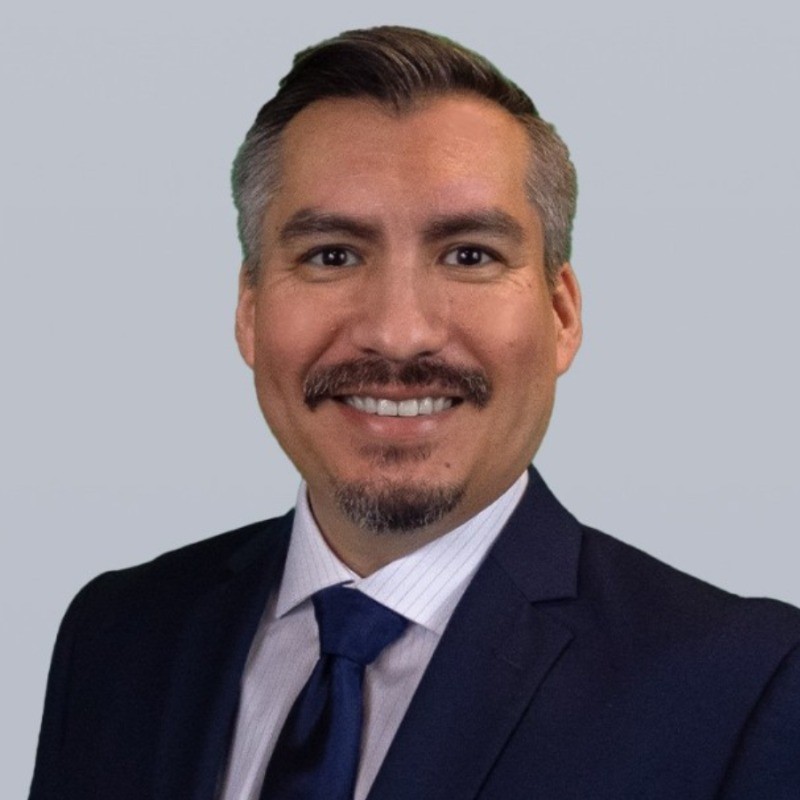
Mitchell Wright

CPCU  ·  ARM  ·  OHST  ·  Federal & Cal/OSHA Authorized Trainer

Risk control begins with partnership.

Mitchell Wright, CPCU ARM OHST

Mitchell Wright is a loss control and risk management professional with nearly a decade of experience helping organizations reduce losses, strengthen safety culture, and confront the decisions that make risk worse before they make it better.

His work operates on two levels, both aimed at protecting businesses from the exposures that cost them most. At the field level, he identifies and addresses physical hazards through site walkthroughs, hazard assessment, OSHA compliance, workers' compensation exposure management, and safety program development. At the organizational level, he helps leadership understand how their own decisions — cultural pressures, operational trade-offs, and normalized shortcuts — quietly compound risk until an incident makes it impossible to ignore.

The credentials he holds — CPCU, ARM, and OHST — reflect that dual perspective. They bridge the insurance industry's risk management framework with hands-on safety and occupational health practice. As a Federal and Cal/OSHA Authorized Outreach Trainer, he brings that perspective directly to the workers and organizations who need it most.

The most effective risk control work happens not through audits and citations, but through understanding how an organization actually operates — where efficiency pressures create exposure, where compliance exists on paper but not in practice, and where the system has quietly accepted the risk it can least afford to carry.

Loss Control

Proactive hazard assessment, site walkthroughs, and workers' compensation exposure management. The goal is not citation — it is prevention.

Safety Culture

Organizations rarely fail because workers are careless. They fail because systems create conditions where shortcuts become routine. The work is fixing the system, not the worker.

Organizational Risk

The leadership decisions, operational pressures, and cultural dynamics that allow preventable losses to compound. This is where most risk management stops short — and where the most consequential work begins.

OSHA Compliance & Training

Federal and Cal/OSHA Authorized Outreach Trainer. OSHA 10- and 30-hour courses in general industry. Compliance that informs rather than intimidates.

Risk Management Frameworks

Enterprise risk thinking that accounts for exposures across the full spectrum of an organization — not just the ones that show up on a standard checklist.

Workers’ Compensation

Claims management, experience modification rate optimization, and frequency reduction strategies. Workers’ compensation is a lagging indicator. The work that matters happens before the claim.

Chartered Property Casualty Underwriter (CPCU) The Institutes
Associate in Risk Management (ARM) The Institutes
Associate in General Insurance (AINS) The Institutes
Occupational Hygiene and Safety Technician (OHST) Board of Certified Safety Professionals
Federal OSHA Authorized Outreach Trainer U.S. Department of Labor / OSHA
Cal/OSHA Authorized Outreach Trainer California Division of Occupational Safety and Health